Healthy Habits for Sustainable Weight Loss (and Why It Feels So Hard Even When You Know What To Do)
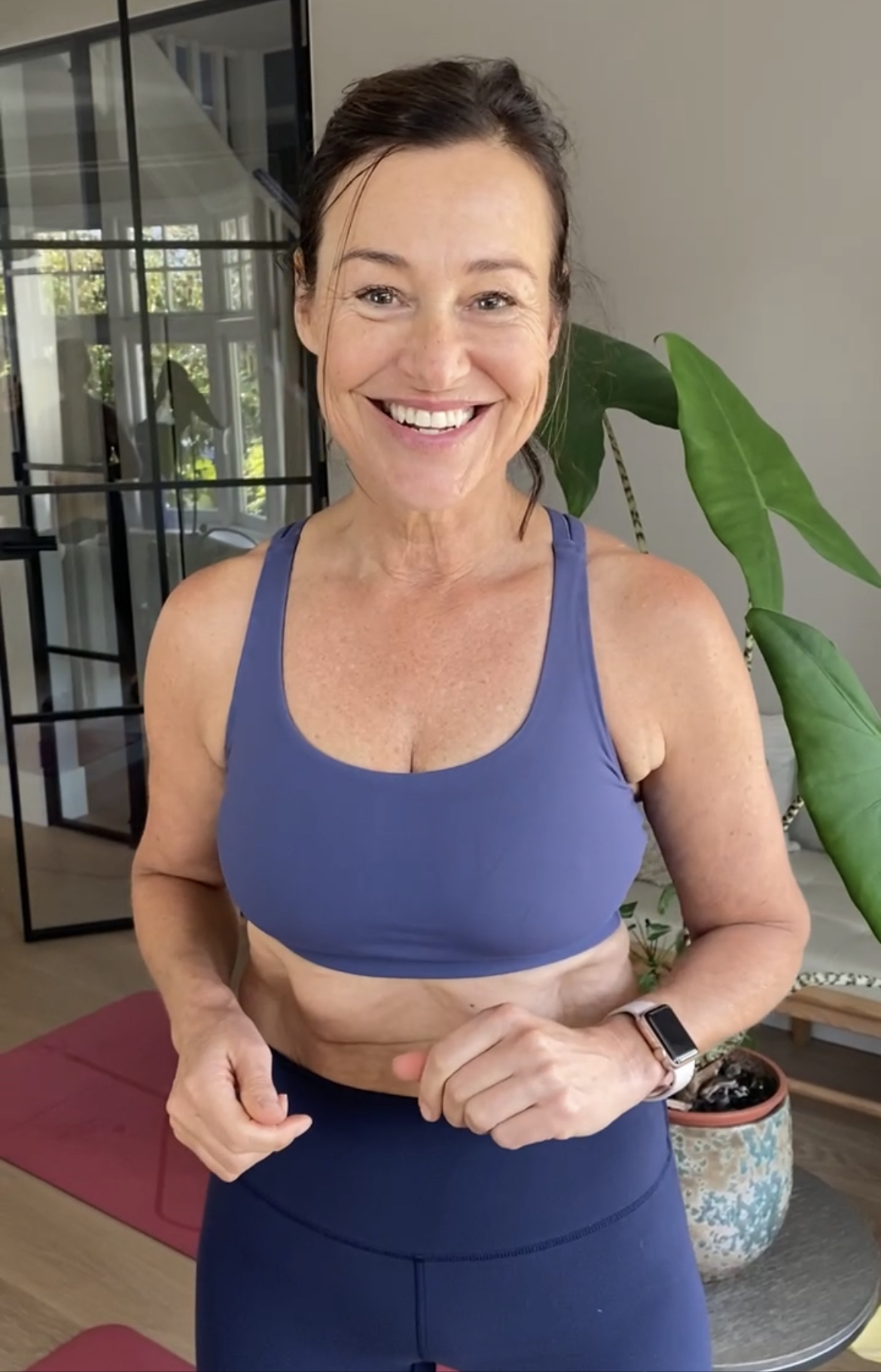
If weight loss isn’t working for you, stress could be a key reason.
Most women already know the basics of healthy weight loss: eat more vegetables, move more, sleep better, drink more water, reduce sugar, and exercise regularly.
So why is it still so hard to do consistently?
Because knowing what to do is rarely the issue.
The real challenge lies in applying it consistently in real life, stress, habits, emotions, busy schedules, and the environment you live in every day.
The “All or Nothing” Cycle
One of the most common patterns I see in women, and something I relate to personally, is the all-or-nothing approach.
During the week, things are “on track.” Meals feel controlled, choices feel disciplined, and there is a sense of structure.
Then the weekend arrives, and that structure often disappears. Social events, relaxation, alcohol, eating out, and emotional release can lead to eating more freely or less mindfully.
By Monday, the scale has usually changed, and frustration sets in.
This often leads to a reset mindset: more restrictions, skipping meals, fasting, or cutting carbohydrates in an attempt to “fix” things quickly.
And while the scale may respond temporarily, this cycle rarely creates lasting change.
Personally, I’ve learned that extreme approaches simply don’t work long term.
I can be very disciplined for a week or two, but eventually I start dreaming about my daily dark chocolate again.
Fasting can feel similar. At first, it may go well, but after a while, I notice I become overly hungry, think about food more, and my energy or mood can dip.
What works far better for me is the 80/20 approach: focusing on nourishing, protein-rich whole foods most of the time, while still leaving room for flexibility and enjoyment.
That balance feels sustainable — and sustainability is what creates long-term results.
Why the Scale Is Not the Full Picture
One of the biggest challenges I see is an overemphasis on the number on the scale.
Daily and weekly weight changes do not only reflect fat loss or gain.
They can also be influenced by:
stress levels
hormonal fluctuations
sleep quality
water retention
digestion
salt intake
carbohydrate intake
Carbohydrates, for example, are stored with water in the body, which means weight can shift quickly depending on intake — not necessarily body fat.
This is why many women feel like they are “doing everything right” but still feel stuck or inconsistent.
The scale becomes emotionally loaded rather than informative.
Fat Loss Has Different Phases
One thing I’ve learned over the years is that fat loss has different phases — and many people are trying to jump straight to the final stage without building the foundations first.
Social media often highlights the result: visible abs, very lean physiques, extreme discipline, long fasts, and highly restrictive eating.
In reality, for longevity and long-term health, this first phase is often enough to move many women into a much healthier zone metabolically.
I
Improving muscle mass, reducing visceral fat, stabilising blood sugar, supporting bone health, sleeping better, and feeling stronger and more energised can have enormous health benefits — without needing to pursue extreme leanness.
This first phase is often where the body responds relatively quickly.
But as body fat decreases, progress naturally slows.
The body adapts. Hunger can increase, energy can dip, recovery becomes more important, and stress on the body becomes more noticeable.
This is often the stage where people think they are “failing,” when in reality they’ve entered a more advanced phase that requires more patience and consistency.
At very lean stages — the kind often needed for visible abs — the body can experience significant stress if pushed too aggressively or for too long.
Sometimes, increasing calories for a short period can help the body feel safer again, reduce stress and cortisol load, improve recovery, and create a better foundation before continuing with fat loss.
Stress Changes Everything
As a nutritionist, I often work with women who are knowledgeable, motivated, and genuinely trying — but still feel like they are starting over every week.
In most cases, the issue is not information.
It’s the interaction between stress, habits, emotions, environment, sleep, and energy.
When stress is high, the body naturally becomes more reactive.
Cravings increase, routines become harder to maintain, and food can unconsciously become a source of comfort, reward, or regulation.
This is not about lack of willpower.
It’s about how the body responds to pressure over time.
Where Real Change Begins
Sustainable weight loss is rarely about doing more.
It’s about understanding the deeper patterns driving your habits and learning to work with your body, not against it.
This is where structured support, clarity, and guidance can make a real difference.
Because when you stop trying to fix everything alone, change becomes more realistic and much more sustainable.
If you’d like to learn more about weight changes after 40 — including stress, hormones, metabolism, cravings and sustainable fat loss — come and join me for my workshop on the 27th of June at Rinto Fitness in Richmond.
And if you feel you would benefit from more personalised guidance and support, you can also book a free discovery call to explore working with me 1:1.

Comments